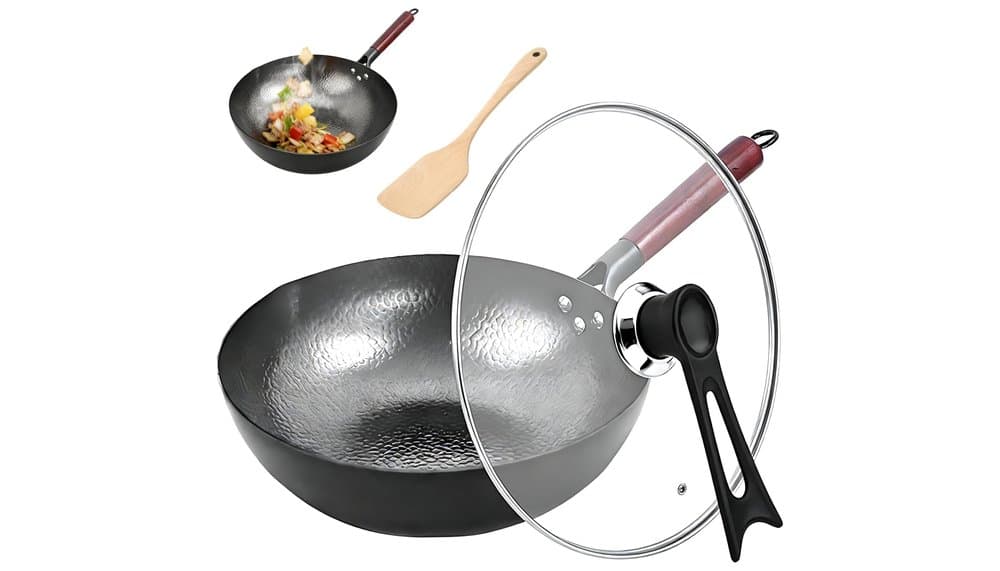
Review
Teckzoom Carbon Steel Hammered Wok Review
Unlock true wok hei. Explore the durable, hand-hammered Teckzoom 32cm carbon steel wok. Our review analyzes its performance and lasting value.
For those who don't cook with toys.
Explore Our ReviewsWe only recommend tools that survive decades of daily use. Carbon steel, cast iron, high-carbon blades — gear your grandchildren will inherit.
No sponsored rankings. No hidden agendas. We cross-reference real user data, test reports, and hands-on experience to separate marketing fiction from kitchen fact.
A 30-euro carbon steel wok outperforms a 300-euro non-stick every single time. We help you invest in tools that pay for themselves a thousand times over.
Flat-bottom, round-bottom, hand-hammered. The original high-heat warrior.
Dutch ovens, skillets, griddles. Thermal mass that lasts centuries.
Gyuto, Santoku, Nakiri, Petty. Razor geometry forged in tradition.
Chef's knives, Santoku hybrids, bread knives. Robust workhorses from Solingen to Thiers.
Synthetic, natural, diamond plates. Because a dull knife is a dangerous knife.
Patina care, rust prevention, wok seasoning rituals. Keep your tools performing for decades.
Unlock true wok hei. Explore the durable, hand-hammered Teckzoom 32cm carbon steel wok. Our review analyzes its performance and lasting value.
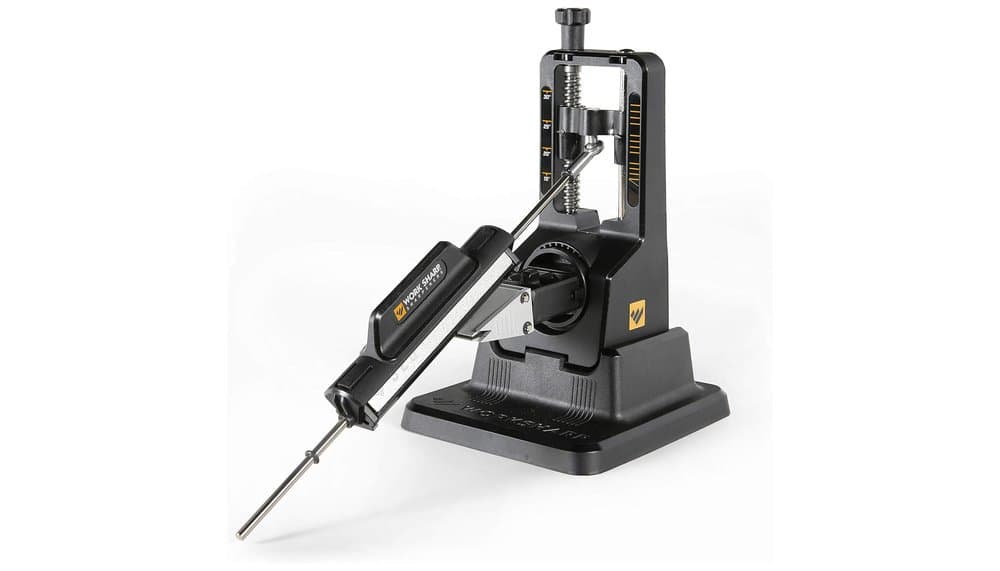
Master knife sharpening. The Work Sharp guide offers angle precision for perfect edges on all your kitchen knives, simply and quickly.
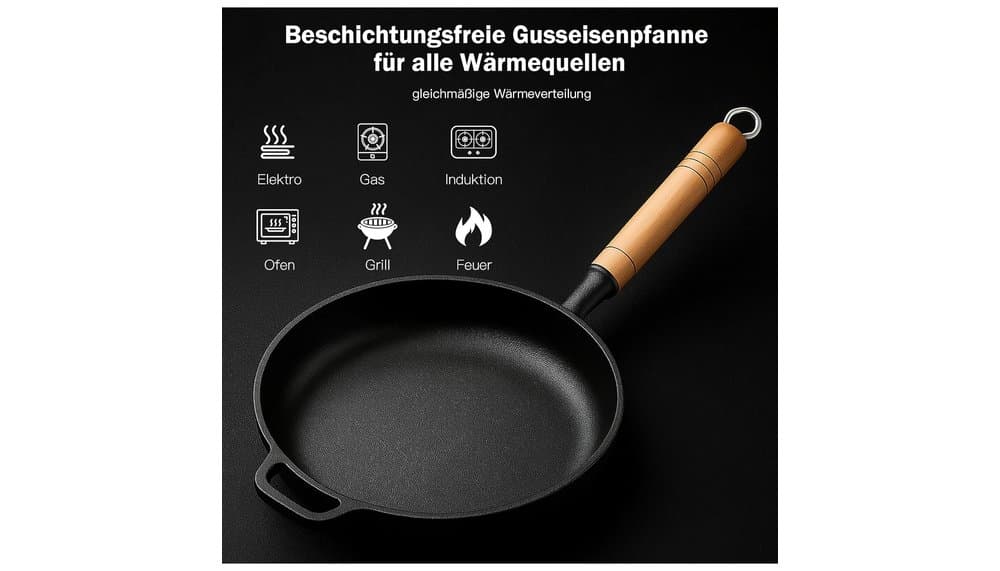
Durable cast iron skillet, Jinfanshurich, promises buy-it-for-life with raw iron, no coatings. Essential for sustainable cooking that lasts generations.

Discover the secret to perfect beef bourguignon with the right cast iron Dutch oven—your essential, lifelong kitchen investment for melting stews and more.

Unlock wok hei’s smoky flavor secret: a seasoned carbon steel wok. Light, reactive, it becomes your perfect kitchen companion over fire.
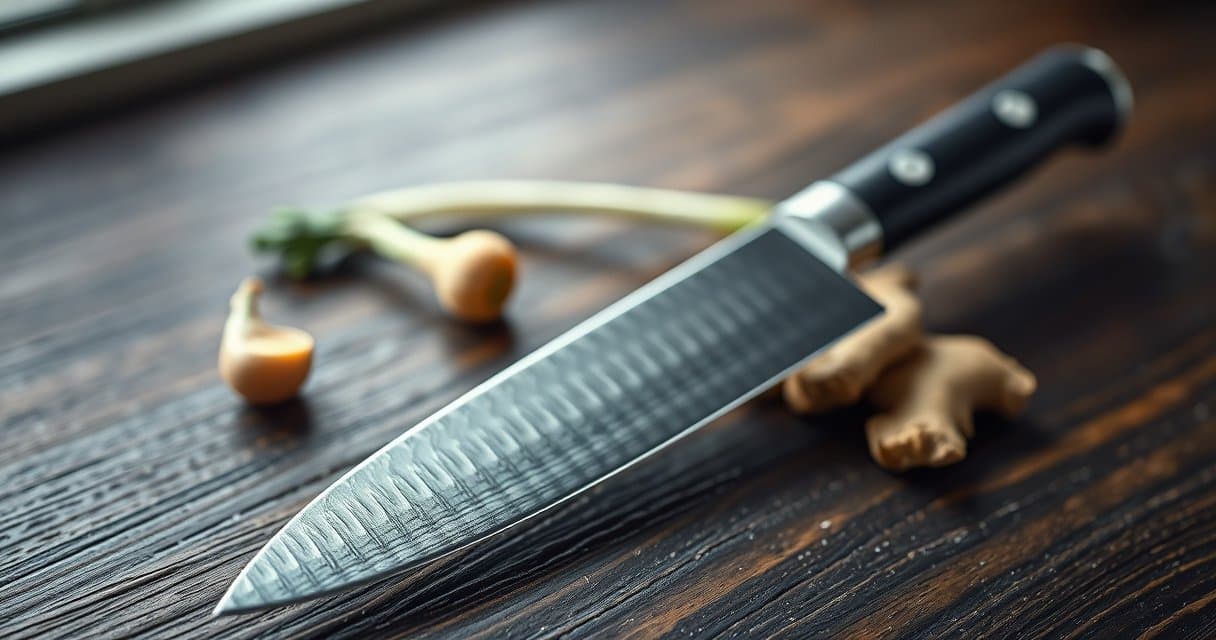
Dull knife? Transform your slicing with a Japanese santoku. Learn key factors to choose the perfect, versatile blade for your kitchen.
Dive into our in-depth reviews and find the tools that will transform the way you cook — forever.
Browse All Reviews