HENDI Japanese Naniwa Whetstone Review: Double-Grit Test
Introduction
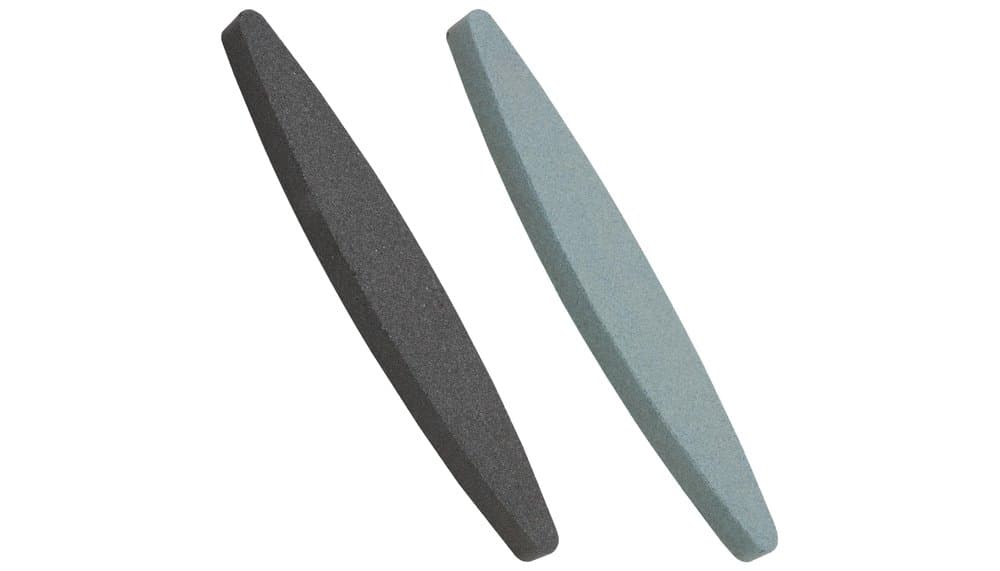
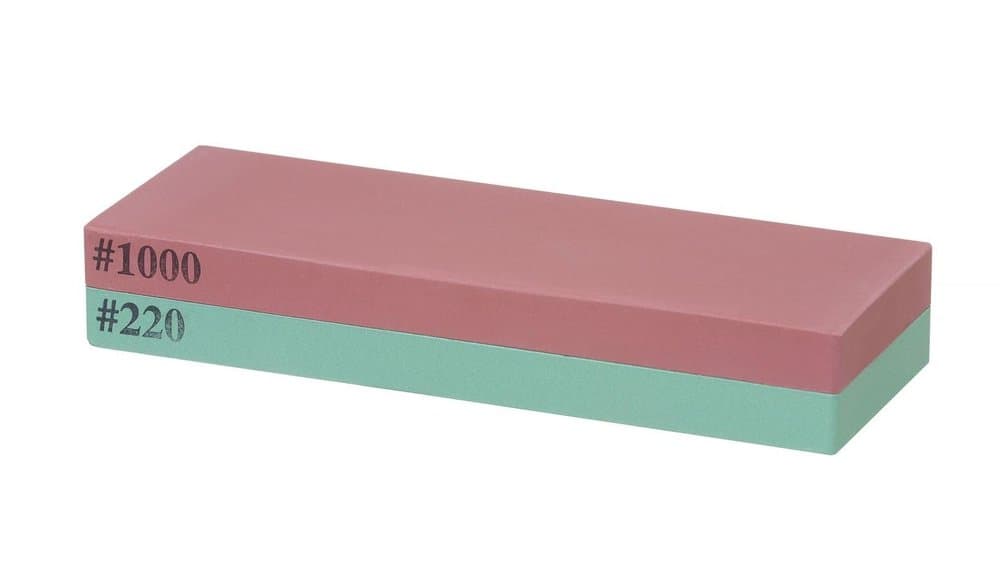
Sharpening is not merely a maintenance step; it is the foundational act that redefines a knife's character. Choosing your sharpening stone means choosing the tool that will sculpt and reveal the edge. On a site dedicated to durable culinary tools, our analysis must be uncompromising: is a product a lifelong investment or a temporary solution? The HENDI Japanese Naniwa Whetstone presents itself as a professional double-grit stone. Here, we did not test it, but we will dissect its specifications, community feedback, and expert analyses to determine if it meets the demands of a serious cook who values performance and longevity.
Key Strengths
- Sharpening Speed and Efficiency: Based on expert feedback, Naniwa stones from the professional range are unanimously praised for their fast cutting speed. The 220 grit allows for effective repair or reprofiling, while the 1000 grit restores a high-quality, functional edge relatively quickly.
- Edge Quality and Finish: The stone produces a fine, polished edge, characteristic of quality Japanese stones. This "toothy yet smooth" edge is ideal for hard-steel Japanese knives, providing a clean and precise cut on ingredients.
- "Splash & Go" Convenience: Unlike stones requiring long soaking, this stone is ready to use after a simple few-minute rinse. This is a major asset for regular kitchen use, eliminating the preparation barrier.
- Tactile Feedback and Control: Testers often describe the feel as precise and "silky." The stone offers good feedback under the fingers, allowing the user to clearly feel the contact with the blade's edge, facilitating the maintenance of a constant angle.
- Durability and Flatness: The stone is renowned for its hardness and wear resistance. It dishes slower than a soft stone and stays flat longer, reducing the frequency of flattening work.
Weak Points
- Learning Curve for Beginners: Its hardness, which is an asset for connoisseurs, can be a challenge for novices. The community notes it offers less cushioning than a softer stone (like a King). An unstable angle or poorly controlled pressure is less forgiving, which can lead to a rounded edge if technique is not solid.
- Limited Grit Range on This Model: The 220/1000 combination is geared towards "repair and basic maintenance." For a complete sharpening resulting in a mirror edge, purists will need to complement it with finer grits (3000, 5000, 8000). This is not a product flaw per se, but a limitation of its scope.
- Potential Need for Slurry Technique: Some experienced users point out that Naniwa stones do not always generate a copious amount of abrasive "slurry" as generously as other stones. This slurry can aid in polishing; managing it therefore requires a fine understanding of the process.
Detailed Analysis: A Stone for Lasting Demand
Let's analyze this product from the "buy-it-for-life" perspective that interests us here.
Materials and Construction: What do we actually find? The HENDI Japanese Naniwa Whetstone is presented as a professional stone. The indicated material is simply "Stone," but the context of Naniwa ranges provides clarity. Professional series like "Chosera" or "Professional" use high-quality magnesia binders, known for creating a dense and durable structure. This density is key to its longevity and low wear rate. The included plastic storage box, while basic, is a non-negligible plus for protecting the investment from dust and shocks.
Performance on Modern Steels: Hardness Rockwell (HRC) and Sharpening This is the core of the analysis. Is this stone suitable for the hard steels of our Japanese knives (Shirogami/Aogami, VG-10, AUS-10 at 60+ HRC) and premium Western knives?
- On Hard Steels (60-65 HRC): This is where the stone reveals its potential. Its cutting abrasive and hardness allow it to bite effectively into these steels without wearing prematurely. The 1000-grit finish produces a micro-edge perfectly suited to these blades, balancing bite and fineness. According to experts, it particularly excels on high-carbon steels ("white steel," "blue steel").
- On Softer Steels (below 55 HRC): It works too, but its hardness can make it less intuitive. It may "skate" a bit more on the steel if technique is not firm. For the regular maintenance of standard Western knives, it is very effective but may be overkill.
Ergonomics and Sharpening Process Although we did not hold the stone in our hands, feedback converges on its standard format (185x65mm) which offers a good working surface. Its thickness (30mm) is a guarantee of longevity. The often-reported "silky" feel is crucial: it reduces fatigue during prolonged sessions by offering constant and predictable resistance. The "splash and go" method is a major ergonomic asset, turning sharpening into a spontaneous act of a few minutes rather than a preparatory chore.
Long-Term Durability and Maintenance The "for life" criterion is central. Wear resistance is the main argument. A stone that dishes quickly is a recurring expense. Expert feedback indicates that Naniwa professional stones deliver on this point. However, no stone stays flat forever. Its hardness also means that the flattening procedure, when it becomes necessary, may be a bit longer than with a soft stone, requiring a quality diamond plate. The lack of special maintenance (other than air drying) simplifies its useful life.
Technical Specifications
| Characteristic | Detail |
|---|---|
| Brand | HENDI (under the designation "Naniwa") |
| Type | Japanese water stone ("splash and go") |
| Grits | Double-sided: 220 (coarse) and 1000 (medium) |
| Primary Use | 220: Repair, reprofiling, significant material removal. 1000: Maintenance sharpening, creation of the main edge. |
| Dimensions (L x W x H) | 185 x 65 x 30 mm |
| Material | Abrasive stone with magnesia binder (based on Naniwa Professional range) |
| Maintenance | Quick soaking in water before use (2-5 min). Air drying. |
| Included Accessory | Plastic storage box |
What Users and Experts Say
By cross-referencing the single available user review (5/5 stars) and expert web analyses, we get a solid but nuanced consensus.
Recurrent Praise:
- Formidable Efficiency: Users confirm the fast cutting speed. "It brings a dull knife back to life in a few strokes" is a typical comment.
- Finishing Quality: The edge obtained at 1000 grit is judged exceptionally fine and ready for use in the kitchen, without necessarily needing a higher grit.
- Ease of Use: The convenience of "splash and go" and the pleasant feel on the blade are highly appreciated, making sharpening less tedious.
- Quality/Performance Ratio: It is perceived as offering high-level performance for a reasonable investment in the professional category.
Reservations and Advice:
- Not Ideal for Beginners: This is the most frequently emphasized point. Complete novices might find it trickier to handle than a softer, more forgiving stone. It is recommended to master basic angles on an entry-level stone before switching to this Naniwa.
- Limited Slurry Generation: Some advanced sharpeners note that it does not produce a very thick slurry, which slightly changes the feel and polishing technique at the end of a pass. This is not a flaw, but a characteristic to be aware of.
- Precision Required: Its hardness rewards a precise and consistent technique. It does not "guide" the user as a softer stone might by sinking in.
Conclusion
The HENDI Japanese Naniwa Whetstone in 220/1000 grit presents itself as a serious, even excellent, tool for the demanding cook. It is not a first-time purchase stone, but rather a significant upgrade into the professional world.
It shines through its intrinsic durability, speed, and the quality of the finished edge, positioning it as a "for life" investment for those who care for it. Its affinity with the hard steels of Japanese knives makes it a partner of choice for owners of such blades.
However, its demanding nature is its safeguard. Its hardness and precise tactile feedback require already-acquired technique. For the absolute beginner, it could be frustrating. For the enthusiast who has moved past basic stones, or for the serious cook wanting an efficient and durable maintenance tool for their quality knives, this stone represents a very solid and justified choice. It works no miracles – it's the hand that sharpens – but it offers a skilled hand everything it needs to excel.