Sabatier Trompette Flexible Fish Fillet Knife Review
Introduction
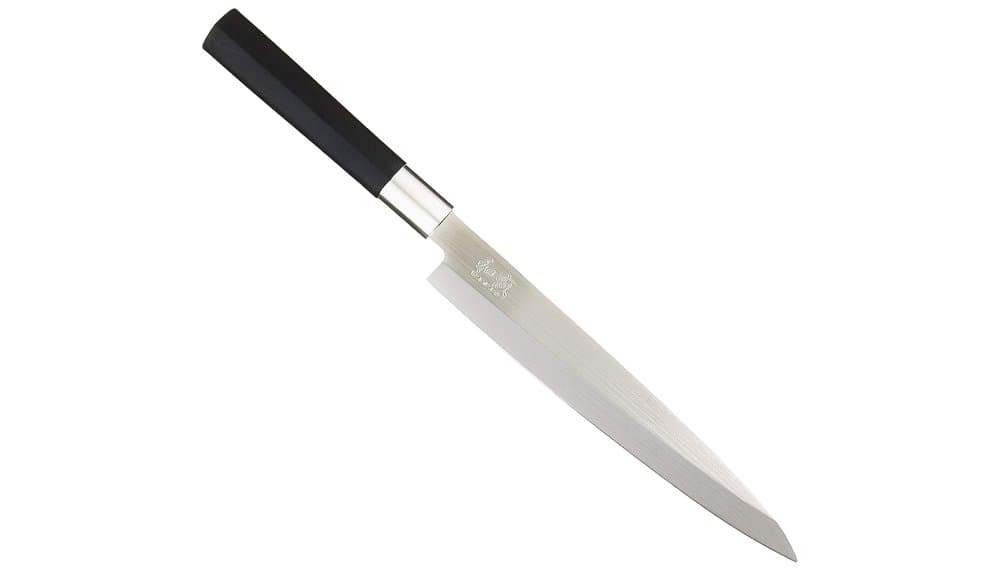
In the very specific world of kitchen knives, each instrument has its part to play. The fillet knife, with its thin and flexible blade, is the ultimate precision tool for the delicate work of fish and fine meats. The Sabatier Trompette Universal Flexible Sole Fillet Knife 18 cm presents itself as a representative of this specialized tradition, coming from a historic French brand. For the serious amateur or the cooking enthusiast looking for a durable tool, the question is whether this product lives up to its promises from a "buy it for life" perspective. We will dissect its specifications, compare user experiences, and analyze its ability to become a reliable kitchen companion for decades to come.
Strengths
Based on combined specifications and feedback, this knife presents several major assets for demanding use.
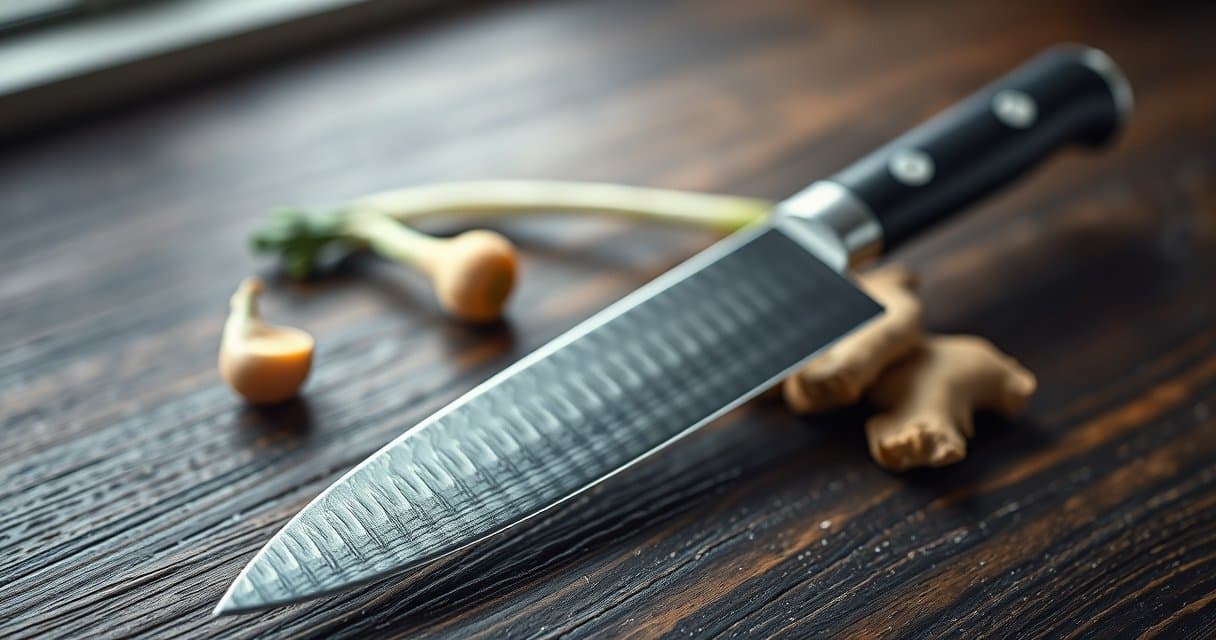
Its flexible blade is consistently cited as its main asset. This flexibility allows it to perfectly follow the bones of a fish, minimizing meat waste and making filleting intuitive and precise. It is this characteristic that defines its primary role.
Users also highlight its remarkable out-of-the-box sharpness. Many reviews, including those from professionals like bakers using it for bread, note that the knife is "super sharp" straight out of the box, a sign of good factory finishing.
The forged and balanced construction is another positive point. Unlike entry-level models with stamped blades (cut from sheet metal), the technical sheet indicates a forged construction. Testers confirm this feeling of solidity, with good balance and a weight that inspires confidence, despite the thinness of the blade.
Finally, its reasoned versatility is appreciated. Although designed for fish, the community notes that it excels at similar tasks requiring precision and finesse: smoked salmon slices, meat carpaccio, or even trimming butcher cuts.
Weaknesses
Upon analysis, some compromises and points of vigilance emerge, mainly related to material choices and maintenance.
The first pitfall concerns the steel and its corrosion resistance. Although presented as a MoV (Molybdenum-Vanadium) stainless steel, user feedback reports rust spots appearing after a dishwasher cycle, which is nonetheless indicated as possible by the manufacturer. This raises a question about the exact quality of the stainless steel and its surface treatment.
Next, the lack of information on the Rockwell hardness (HRC) is a missing piece for analysis. On paper, without this data, it is difficult to scientifically predict edge retention and ease of resharpening. Long-term performance will therefore depend heavily on this undisclosed element.
Flexibility, a double-edged sword, can become a limitation. As experts note, this blade is unsuitable for any task requiring rigidity or force. Attempting to debone poultry or cut through a joint with this knife would be a mistake, potentially even damaging the blade.
Finally, some feedback on products from the same line (sharpening steels) mentions sometimes uneven finishing quality, with parts perceived as less robust than older models from the brand. This calls for vigilance regarding quality control.
Detailed Analysis: A Purchase for Life?
The Steel and the Blade: The Heart of the Matter
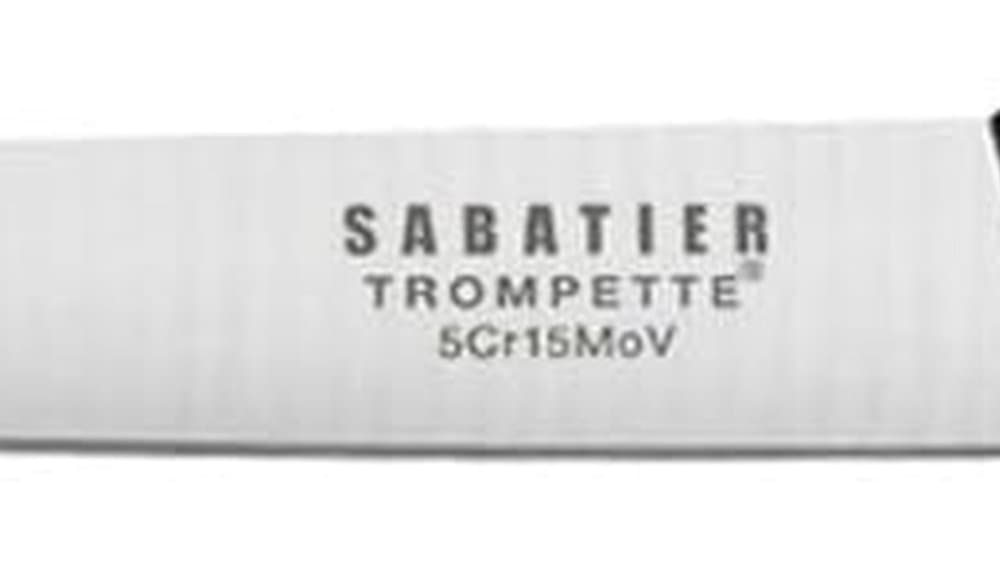
The advertised material is a high-performance Molybdenum-Vanadium (MoV) stainless steel. This designation is generally associated with steels like 5Cr15MoV, common in the mid-range segment. Molybdenum improves corrosion resistance and toughness (impact resistance), while vanadium refines the steel grain and improves the ability to take a fine edge.
However, without knowledge of the carbon content and Rockwell hardness, our evaluation relies on feedback. The community reports an excellent initial sharpness and good aptitude for resharpening, but seems to indicate a need for regular maintenance, typical of softer steels (likely around 55-57 HRC). This means good ease of sharpening for the average user, but moderate edge retention which will require more frequent sessions on the stone than with a Japanese VG-10 or Aogami Super steel hardened to 60+ HRC.
The blade shape, however, is perfectly suited to its function: an 18 cm length ideal for medium-sized fish, a fine tip for precise incisions, and a rounded spine for comfort during finger-supported gestures.
See priceConstruction and Durability: The Foundations
The technical sheet mentions a forged construction and a full tang construction with three through rivets. These are excellent signs for long-term durability. The full tang handle (the blade extending the full length of the handle) secured by solid rivets guarantees superior mechanical strength and increased longevity, eliminating the risk of breakage at the bolster. The handle itself, made of ABS according to descriptions, is known for its resistance to impact and chemicals, although less noble than wood or micarta.
Ergonomics and Prolonged Use
The so-called "universal" design with front and rear bolsters at the handle is classic. User reviews describe it as ergonomic and offering a good grip, even when wet. The balance, crucial to avoid fatigue during prolonged meticulous work like filleting several fish, is judged satisfactory. The light weight (90g) contributes to this feeling of maneuverability and control.
Maintenance: The Key to Longevity
This is where the "buy it for life" discourse is put to the test. The manufacturer indicates dishwasher compatibility, but user feedback is clear: dishwasher use is strongly discouraged to avoid premature corrosion and edge dulling from impacts with other utensils. For a long life, the protocol is simple: hand wash immediately after use, careful drying, and secure storage (in a block or magnetic sheath). This meticulous maintenance is the price to pay to maintain the integrity of the steel.
Technical Specifications
| Characteristic | Detail |
|---|---|
| Model | Sabatier Trompette Universal Flexible Sole Fillet Knife |
| Blade Length | 18 cm |
| Total Length | 28.5 cm |
| Blade Material | High-performance MoV (Molybdenum-Vanadium) stainless steel |
| Blade Type | Flexible, plain edge |
| Construction | Forged, full tang mount |
| Handle Fixation | 3 through rivets |
| Handle Material | ABS (according to line) with bolsters |
| Weight | 90 g |
| Out-of-the-box Sharpening | Leather polished ("razor sharp") |
| Recommended Care | Hand wash recommended, immediate drying |
What Users Say
The synthesis of 151 reviews (average rating 4.5/5) and expert web analyses paints a clear consensus, with identifiable points of tension.
Recurrent praise revolves around three axes:
- Cutting Performance: The terms "super sharp", "precise", "effective" constantly recur. Users are impressed by the out-of-the-box sharpness and its efficiency on fish.
- Perceived Value for Money: Many call it "good value for money", "robust" for its segment, and compare it favorably to entry-level stamped blade products.
- Comfort of Use: The ergonomics of the handle and the well-balanced flexibility are highlighted as factors of comfort and control.
Criticisms and warnings are fewer but instructive:
- Corrosion Resistance: This is the most striking drawback. Several testimonies report rust after machine washing, contradicting the "dishwasher safe" mention. This constitutes a serious warning for durability.
- Expectations on Finish: A few isolated reviews on products from the line mention "light" finishing or aesthetic defects, suggesting potential variations in quality control.
- Understanding of Use: Some negative feedback seems linked to a misunderstanding of the function of a flexible fillet knife. It is not designed to be a rigid all-purpose knife.
Cutlery experts, meanwhile, position it as an excellent choice for informed amateurs and demanding occasional cooks, offering real flexible blade know-how at an accessible entry point. They distinguish it, however, from professional Japanese instruments or high-end Sabatier knives, often equipped with more noble steels and superior hand-finishing.
Conclusion
The Sabatier Trompette Universal Flexible Sole Fillet Knife 18 cm is a specialized tool that brilliantly fulfills its primary function. Its flexible and perfectly sharpened blade, its solid forged construction, and its successful ergonomics make it a serious knife, capable of lasting for many years in a demanding family kitchen.
Does it therefore unreservedly adopt the "buy it for life" philosophy? The answer is conditional. Yes, if the user accepts the rules of the game. These rules are impeccable maintenance (mandatory hand-washing, drying) and strictly appropriate use according to its design (filleting, thin slicing). The MoV steel, although decent, will not offer the legendary edge retention of Japanese carbon steels or high-end stainless steels, but it will be easier to resharpen.
It is therefore an excellent candidate for the passionate cook looking for a reliable and specialized professional tool without investing in the absolute high-end. It represents a bridge between consumer-grade equipment and the professional world, carrying a historic name, but demanding from its owner the respect and care due to any good precision tool. Under these conditions, it has every chance of becoming a kitchen companion for life.