STAUB Enamelled Cast Iron Casserole Dish Test & Review
Introduction: The Archetype of High-Performance Cookware
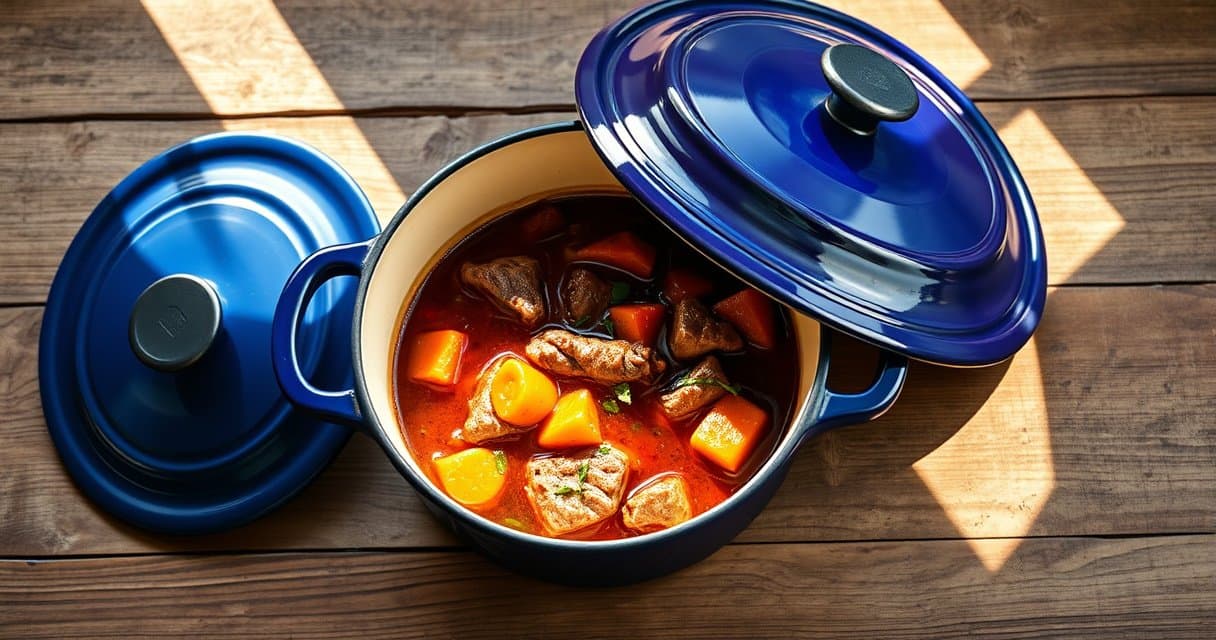
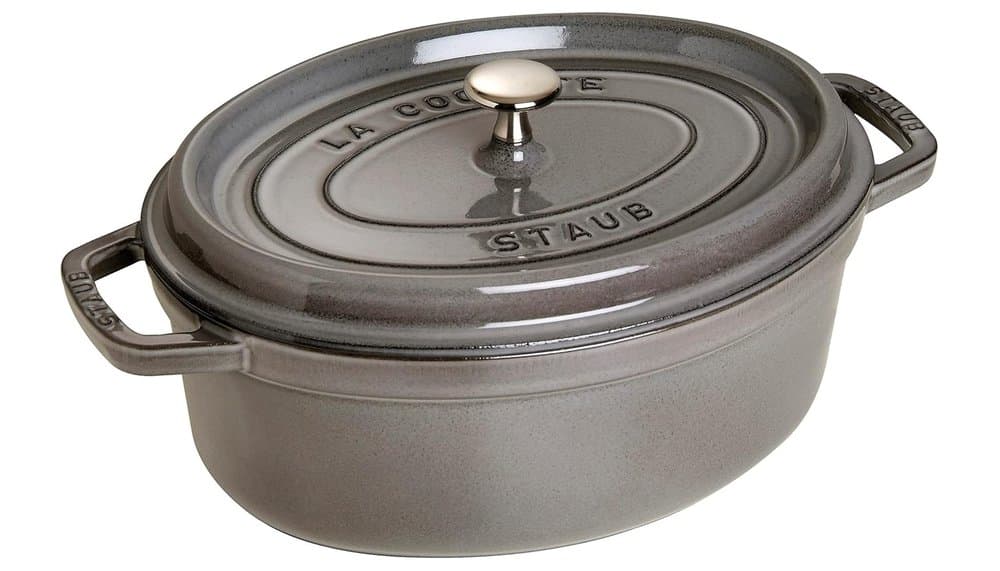
On a site dedicated to durable and high-performance kitchen tools, we do not discuss ephemeral utensils. We discuss heritage, craftsmanship, and pure physics. The STAUB Enamelled Cast Iron Casserole Dish fits directly into this lineage. It is not simply a pot; it is a complete enamelled cast iron cooking system, a centerpiece designed to last for generations. Here, we analyze this cult object not as a mere kitchen accessory, but as a professional tool for the serious cook. Through the lens of technical specifications, user feedback, and expert analysis, we determine if this casserole dish deserves its legendary reputation and its place in a kitchen designed for life.
Strengths and Weaknesses: A Frank Summary
Before diving into the details, here is what clearly emerges from all available data.
What Stands Out Immediately
- "Buy-It-For-Life" Durability and Heritage: The massive enamelled cast iron construction and French craftsmanship guarantee exceptional longevity, often described as transgenerational.
- High-Level Culinary Performance: The phenomenal heat retention of cast iron and the "rain effect" studded lid ensure consistent results, incredibly tender meats, and unmatched flavor concentration.
- Absolute Versatility: Compatible with all stovetops (including induction), the oven (up to 250°C with the knob, much higher without), and the table. A single tool for searing, braising, roasting, and serving.
- High-Performance Black Enamel: Unlike others, the matte black interior enamel is designed for better caramelization (Maillard reaction) and is reported, based on feedback, to be more resistant to staining and micro-scratches than light finishes.
What Requires Adaptation
- Substantial Weight: At 8.2 kg empty, handling requires a certain amount of strength. Emptying and cleaning can be physically demanding.
- Required Maintenance Precautions: Although enamel simplifies care compared to raw cast iron, it requires precautions against hard impacts and the use of non-metallic utensils to preserve its surface.
- Significant Initial Investment: Its positioning is that of a professional-quality tool, which is reflected in its cost.
Detailed Analysis: The Technical Examination of the "For Life" Product
The Raw Material: Cast Iron, Queen of Thermal Inertia
The heart of the product is cast iron. This is neither stainless steel nor anodized aluminum. It is a dense material with moderate thermal conductivity but an exceptional heat capacity and retention. It is this inertia that makes all the difference: once at temperature, the casserole dish maintains constant and even heat, eliminating hot spots and allowing for delicate simmering and perfect searing. For braises, stews, or bread, this property is invaluable. On paper, the specs state compatibility with all heat sources, including induction, which is confirmed by the community. Cast iron being ferromagnetic, it reacts perfectly.
See priceThe Finish: Black Enamel, a Technical Choice
The enameling is what differentiates STAUB from raw cast iron. The matte black interior is not a simple aesthetic choice. According to expert analysis, this surface is designed to optimize the Maillard reaction (the caramelization that gives flavor). It is acid-resistant (you can cook tomatoes in it without worry), requires no seasoning for protection (unlike raw cast iron), and is reputed to be taste-neutral. Testers emphasize that this black enamel is reportedly more forgiving of stains and micro-scratches than a sand-colored enamel, a practical advantage for aesthetic longevity. However, like all enamel, it is not indestructible. Hard impacts or dropping the lid on the rim can cause chips. The community therefore recommends careful handling and the use of wood or silicone utensils.
The Key Innovation: The "Flavor Rain" System Lid
This is a STAUB signature. The inside of the lid is covered with small studs. Their function is not decorative. During cooking, moisture condenses on these studs and falls back in fine droplets onto the food, creating a continuous self-basting cycle. This system maintains an ideal level of humidity without drowning the dish, resulting in juicier meats and more concentrated sauces. It is a concrete technical advantage often cited by experienced users who note the difference in results compared to other casseroles.
Ergonomics and Practicality: The Weight of Progress
The handles are fixed, molded into the cast iron mass, and coated in enamel. According to feedback, their shape is judged ergonomic and safe, offering a good grip even with oven mitts. The lid knob is metal, resistant to very high temperatures (up to 250°C according to the technical sheet). The real point of attention is the weight. At 8.2 kg empty, and much more once filled, it is not for everyone. For people with wrist issues or limited strength, this can be a real drawback. It is the compromise for obtaining this incomparable heat retention. It is a matter of accepting it as a physical characteristic inherent to the performance.
Market Comparison: STAUB vs. The Enamelled Cast Iron Landscape
The comparison with Le Creuset is inevitable. Both are references. According to community feedback and analyses, here are the key differences often mentioned:
- Interior: STAUB offers a matte black enamel, Le Creuset typically a sand-colored enamel. Many users feel the STAUB black provides a better sear and better conceals signs of wear.
- Lid: STAUB uses its studded system, while Le Creuset traditionally has a smooth lid. Some chefs, as noted in a detailed customer review, prefer STAUB's cooking results, judging it more common in professional settings.
- Aesthetics: Both offer a wide range of colors, with STAUB often having more understated, satin finishes. Overall, both are "for life" products. The choice is often based on subtle preferences for perceived performance and aesthetics.
Technical Specifications
| Characteristic | Detail |
|---|---|
| Main Material | Enamelled cast iron |
| Interior Finish | Black enamel, non-stick, acid-resistant |
| Exterior Finishes | Colored enamel (Graphite Grey, etc.) |
| Diameter / Format | 33 cm, oval shape |
| Volume | 6.7 Liters (for 6-7 people) |
| Weight | 8.2 kg |
| Stovetop Compatibility | All: induction, gas, electric, ceramic |
| Oven Compatibility | Yes, lid knob resistant up to 250°C |
| Lid System | Interior studs for "self-basting" effect |
| Handles | Fixed, enamelled cast iron |
| Care | Hand wash or dishwasher (according to manufacturer) |
| Manufacturing Origin | France |
What Users Say: Synthesis of Feedback
Customer reviews, with an exceptional average rating of 4.8/5, paint a very clear consensus.
Recurring Praise:
- Stunning Culinary Performance: Users are unanimous on the quality of results. Mentions of "perfect cooking", "evenly distributed heat", "incredibly tender meats", and "dishes full of flavor" constantly recur.
- Robustness and Longevity: The terms "for life", "heritage", "exceptional quality", and "French craftsmanship" are omnipresent. Many mention owning their casseroles for years, even decades.
- Appreciated Versatility: The possibility of using the casserole on the stovetop, in the oven, and placing it directly on the table is a major asset.
- Aesthetics and Pride of Ownership: Users love the beauty of the object, its presence in the kitchen and on the table.
Reservations and Criticisms:
- The Weight: This is the most frequently cited negative point. "Very heavy", "requires strength", "difficult to handle when full".
- Required Precautions: Some reports mention small chips on the rim (often due to rough handling of the lid). The community warns: the lid must be placed down gently and impacts avoided.
- Expectations on Size: A few rare reviews indicate confusion over dimensions, finding the product smaller or larger than expected. It is crucial to check the volume (6.7L) and dimensions carefully before purchase.
A detailed and very knowledgeable customer review sums up the spirit well: after testing numerous brands, the user concludes that only STAUB and Le Creuset are at the top, with a preference for STAUB which they feel gives "better cooking results" and is very present in professional settings. They even provide valuable care advice, emphasizing the importance of thorough drying to prevent any risk of rust on the un-enamelled rim.
Conclusion: A Pillar for a Serious Kitchen
The STAUB Enamelled Cast Iron Casserole Dish is not an insignificant purchase. It is an investment in a tool of superior culinary performance and in durability measured in decades. Its weight and the precautions it requires are the price to pay for benefiting from the incomparable thermal inertia of cast iron, the innovation of the self-basting lid, and the robust black enamel finish.
For the serious cook, the lover of braises, rustic breads, and stewed dishes, this casserole is not just another utensil. It is a fundamental piece, a flavor multiplier, and a guarantee of consistent results. It perfectly embodies the "buy-it-for-life" philosophy: an initial cost amortized over an extreme lifespan, performance that does not wane, and the daily pleasure of using an object designed to excel.
If you accept its weight and are ready to care for it with the necessary precautions, the STAUB casserole will not disappoint you. It will quickly become, as for thousands of users, a central and irreplaceable element of your cookware, transmitting much more than heat: a tradition of quality and craftsmanship.