Wok-Life Balance Wok with Fun Inscription Test
Introduction
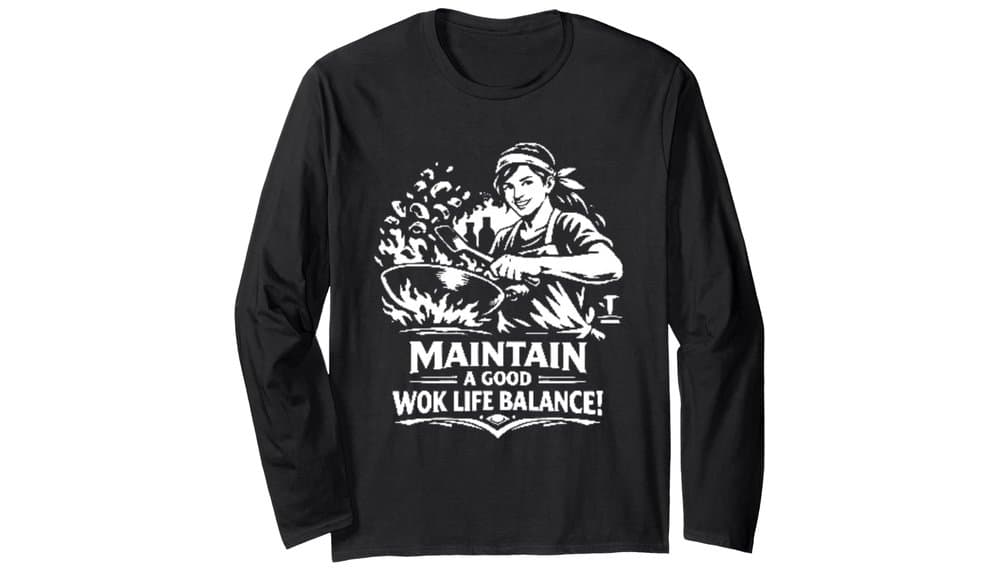
In our perpetual quest for durable and high-performing kitchen tools, the wok holds a singular place. Between the aspiration for authentic high-heat cooking and the need for a utensil that lasts decades, the choice is often technical and demanding. Today, we are examining the Wok-Life Balance Wok with Fun Inscription, a product whose name plays on words but whose promises deserve serious analysis. On a site dedicated to long-term culinary excellence – carbon steel, cast iron, Japanese knives – we evaluate this item through a single prism: is it a purchase for life? We dissect its specifications in light of the criteria of demanding cooks and community feedback to determine if it is a reliable kitchen companion or a charming but ephemeral accessory.
Strengths and Weaknesses: Overview
Before diving into the technical details, here is a summary of the potential strengths and pitfalls of this wok, synthesized from available information and the expectations of the "buy-it-for-life" buyer community.
Strengths:
- Concept and Design: The humorous inscription and visual design are a marked point of differentiation, clearly targeting the amateur cook looking to combine pleasure and functionality.
- Long Handle: The presence of a long handle is a relevant structural choice for safety and maneuverability during energetic stir-frying, keeping the hand away from the heat source.
Weaknesses:
- Lack of Technical Transparency: The glaring absence of data on the main material, thickness, weight, or type of coating is a major red flag for a demanding buyer.
- Uncertain Durability: Without knowledge of the base material (carbon steel, cast iron, aluminum with coating?), it is impossible to assess its potential for seasoning, its resistance to warping, its compatibility with all heat sources (especially induction), and its longevity.
- Marketing Targeting: The product seems designed more for its appearance and message than for high-level technical performance, placing it at odds with the needs of a serious cook.
Detailed Analysis: The Quest for Missing Specifications
For a site that discusses VG-10 steel, Rockwell hardness, and raw cast iron, analyzing this wok immediately hits a wall: the opacity of information. This is where our evaluation must be most rigorous.
Construction and Materials: The Heart of the Problem
What interests us here is the substance behind the style. A "buy-it-for-life" wok typically comes in three noble materials:
- Carbon steel (14 or 18 gauge): The professional favorite. Lightweight, an excellent conductor, it heats up very quickly, seasons superbly to become naturally non-stick, and lasts multiple lifetimes. But it requires rigorous maintenance against rust.
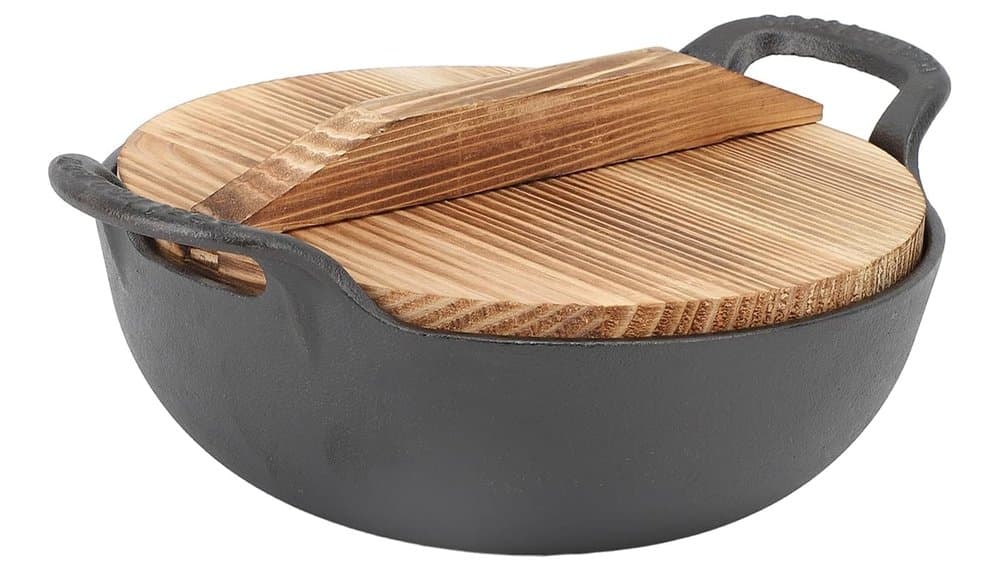
- Cast iron: A champion of heat retention, ideal for braising and deep-frying. Extremely durable, but heavy and slower to heat up.
- Quality stainless steel (often with an aluminum/copper core): Indestructible, easy to maintain, but often less performant for true high-heat Asian stir-frying and can cause sticking.
The Wok-Life Balance Wok does not communicate any of these points. Based on the general context of similar woks highlighted in marketing descriptions focused on leisure, it is likely to be an aluminum (lightweight) wok with a ceramic or Teflon non-stick coating. This hypothesis is consistent with the "amateur" and "fun" targeting. If this is the case, it immediately eliminates any "for life" potential. Coatings, even quality ones, eventually wear out, get scratched, and cannot withstand extreme temperatures or metal utensils. No seasoning is possible on a non-stick coating.
Culinary Performance: Heat and Responsiveness
A wok's performance lies in its ability to conduct heat quickly and evenly and to retain it in the "core" of the food during stir-frying. On paper, without specs, everything is mere speculation.
If our hypothesis of an aluminum body is correct, the heat-up time would be fast, a positive point. However, aluminum alone has less uniform heat distribution than forged carbon steel and can create hot spots, especially on a flat bottom adapted for electric stoves. Its ability to retain heat is also lower. Expert testers emphasize that for true "wok hei" (the breath of the wok), significant thermal mass and a reactive material are needed – qualities often absent from lightweight coated woks.
See priceErgonomics and Handling
The specified point is the long handle. This is an essential ergonomic choice for safety, allowing the wok to be handled one-handed without risk of burns. Field feedback on other models shows that the quality of the handle attachment (rivets, screws) is paramount for longevity. A handle that stays cool is also crucial; some budget models have handles that conduct heat, making them uncomfortable. The community notes that Bakelite or quality wooden handles are guarantees of comfort.
Total weight is another factor. A wok that is too light (aluminum) lacks stability and thermal mass; a wok that is too heavy (cast iron) strains the wrist. The balance between the bowl's weight and the handle's length is a science. Without data, we cannot assess this balance for the Wok-Life Balance.
Durability and Long-Term Maintenance
This is the decisive criterion of our evaluation. A "for life" tool can be repaired, improves over time (like seasoning that enhances it), and withstands decades of use.
- Resistance to Warping: 2mm thick carbon steel will resist shocks and sudden temperature changes. Thin aluminum or a coating on thin sheet metal can dent or warp.
- "Seasoning" Potential: This is the soul of a carbon steel or cast iron wok. It creates a natural, protective, and ever-enriching non-stick layer. If this wok has a synthetic coating, this function is non-existent and even contraindicated.
- Fighting Rust: Bare carbon steel requires perfect drying and a thin layer of oil after each use. A non-stick coating or stainless steel eliminates this problem, but at the cost of other compromises on performance and the coating's lifespan.
- Compatibility with Cooktops: A serious wok must work on all heat sources, including induction. This requires a magnetic bottom (ferrous steel). Many aluminum or coated woks are not compatible, limiting their usefulness.
Technical Specifications (Deduced and Critical)
| Criterion | Data for the "Wok-Life Balance" | What one would expect from a "Buy-It-For-Life" wok |
|---|---|---|
| Main Material | Not specified (Probable: Aluminum with coating) | Carbon steel (14 gauge / ~2mm) or Enameled/high-quality cast iron |
| Coating | Not specified (Probable: Ceramic/PTFE non-stick) | None (natural seasoning) or durable vitrified enamel (cast iron) |
| Diameter | Not specified | 30 to 35 cm (ideal for family use) |
| Weight | Not specified | 1.5 to 3 kg (depending on material, for good stability) |
| Handle Type | Long handle (material not specified) | Long steel handle + secondary helper handle in wood/Bakelite |
| Induction Compatible | Not specified (Probably not if aluminum) | Yes (flat or round magnetic bottom) |
| Maintenance | Not specified (Probable: Gentle cleaning, no metal utensils) | Regular seasoning (carbon steel) or simple cleaning (enameled cast iron) |
| Announced Durability | Implied via the "lifestyle" concept | One-piece construction or robust riveting, noble materials |
What Users and the Community Say
Here, the data is particularly revealing. There are currently no detailed or starred customer reviews for the product "Wok-Life Balance Wok with Fun Inscription". This silence is information in itself. In a saturated market, the absence of feedback may indicate a very recent product, niche marketing, or a lack of adoption by active cooks who are usually quick to share their experience.
On the other hand, expert opinions and community feedback on woks in general, which we have in context, give us a very clear evaluation framework. The following points consistently emerge:
Recurrent positive expectations for a good wok:
- Fast heat-up and good responsiveness.
- Effective seasoning that develops over time (for carbon steel).
- Handles that stay cool and offer a secure grip.
- Robust construction without warping.
Recurrent complaints and defects on low/mid-range woks:
- Non-stick coating that chips or scratches after a few months of intensive use.
- Handles that heat up dangerously.
- Incompatibility with induction, limiting its usefulness.
- Poorly balanced weight or fragile construction (loose handle).
- Uneven heat distribution, especially on electric/glass cooktops.
The total absence of feedback for the Wok-Life Balance prevents us from verifying whether it escapes these classic pitfalls or not. For an informed buyer, this lack of feedback is a risk.
Conclusion: A Balance Between Style and Substance?
The Wok-Life Balance Wok with Fun Inscription presents itself as an item with assumed humor, clearly targeting the amateur cook for whom the playful and decorative aspect takes precedence. Its name and design make it a potentially appreciated gift.
However, from a strictly "buy-it-for-life" and professional culinary performance perspective, this product raises too many uncertainties to be recommended. The total opacity regarding its construction materials, thickness, and coating type is a deal-breaker for anyone seeking a durable, high-performing, and improvable tool over time. If the hypothesis of a non-stick coating on a lightweight body is confirmed, its lifespan will be intrinsically limited by the inevitable wear of this coating, and it will never offer the high-heat cooking qualities and seasoning of a bare carbon steel wok.
For the serious cook who demands perfect heat control, durability measured in decades, and a relationship that enriches with the tool, the investment will undoubtedly go towards a 14 gauge carbon steel wok, simple, without inscriptions, but whose performance and longevity are proven. The Wok-Life Balance perhaps finds its balance in the "fun and occasional kitchen accessory" basket, but it is far from the category of professional and inheritable kitchen tools we favor here.